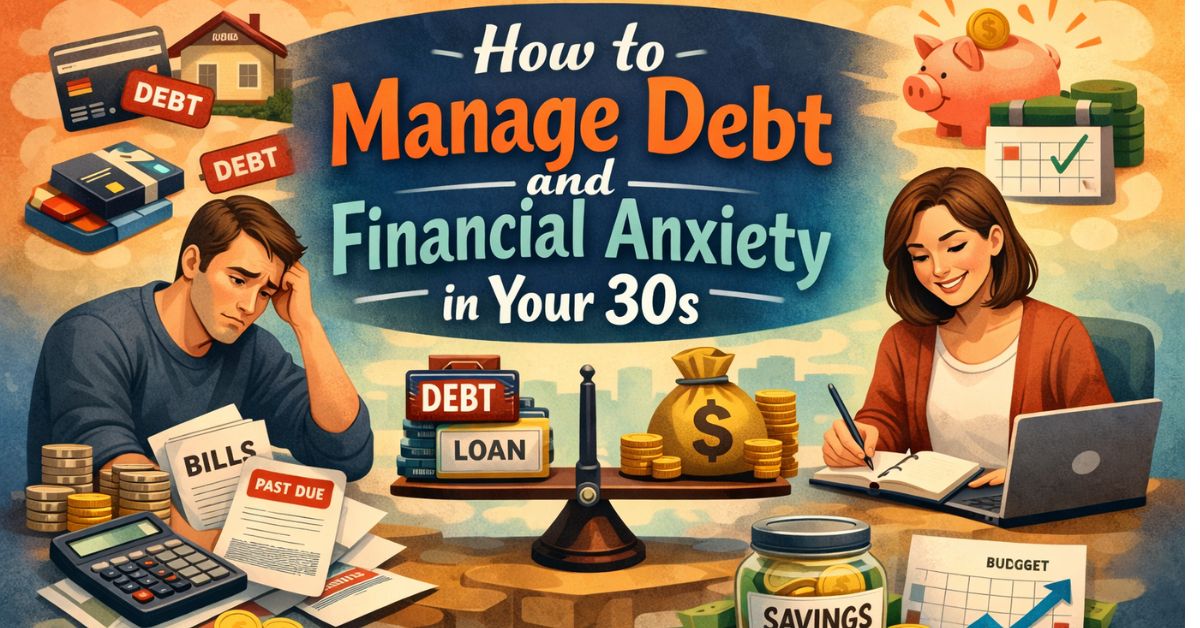
Entering this life stage often brings a mix of career growth and higher costs. One might feel a heavy weight from student loans or credit card balances. This period is a prime time for managing debt in your 30s to secure a stable path forward.

Many people experience financial anxiety while they juggle mortgages and family expenses. Finding ways to balance these obligations is essential for long-term success. This guide explains how one navigates complex costs through clear and actionable steps.
Making smart choices now leads to a brighter future. Effective financial planning in your 30s ensures you reach every major milestone with ease. Constant progress builds the confidence needed to handle any economic challenge.
Key Takeaways
- Create a realistic spending plan to track income and expenses every month.
- Identify specific triggers that cause monetary worry to address them early.
- Prioritize high-interest balances to lower the total cost of borrowing over time.
- Build an emergency fund to protect against unexpected life events and costs.
- Monitor progress regularly to stay motivated and adjust goals as needed.
- Seek professional guidance to simplify complex wealth management and tax issues.
Understanding Financial Challenges in Your 30s
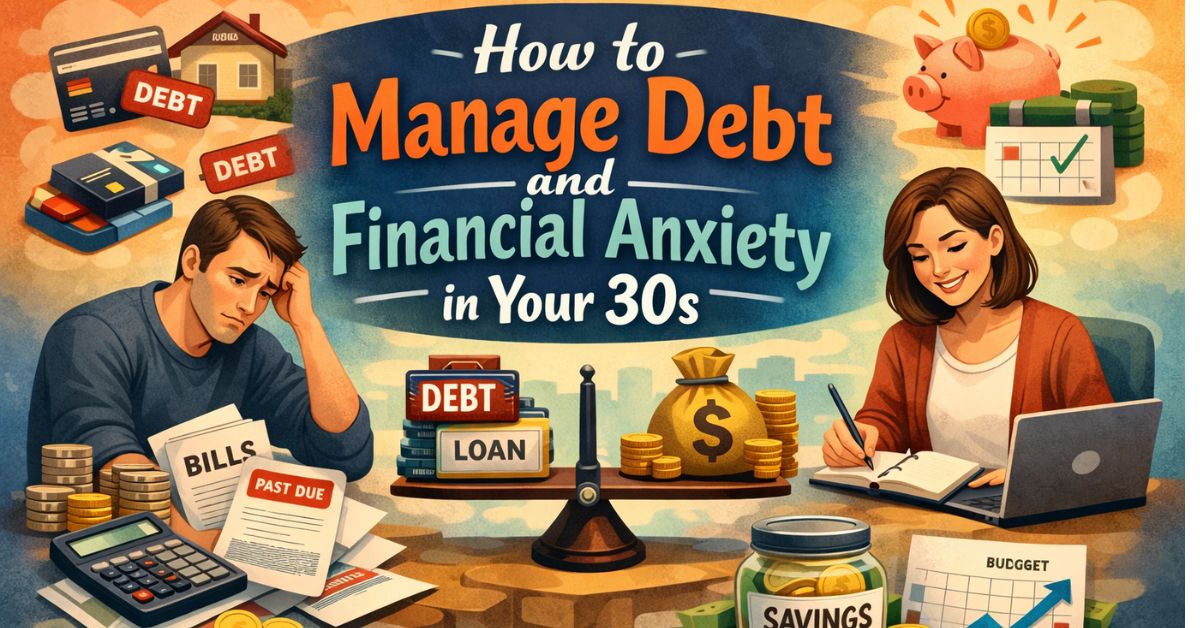
As individuals enter their 30s, they frequently face a complex financial environment that demands attention and strategic planning. This decade is often marked by significant life events such as marriage, having children, and career advancements, which can have profound implications on one’s financial health.
1. Why Your 30s Are a Critical Financial Decade
Your 30s are a critical financial decade because they often represent a period of heightened financial responsibility. Many individuals in this age group are not only managing their own finances but may also be supporting family members or dependents. The financial decisions made during this decade can significantly impact long-term financial stability and goals, such as buying a home, saving for retirement, or funding children’s education.
Making informed financial decisions during this period is crucial. It involves understanding the implications of debt, the importance of saving, and strategies for managing financial stress.
2. Common Sources of Debt for Millennials
Millennials, individuals born between 1981 and 1996, often face unique financial challenges that contribute to debt accumulation. Common sources of debt include:
- Student loans, which can be substantial and take years to repay.
- Credit card debt, often resulting from high-interest rates and overspending.
- Mortgages and personal loans, which can add to the overall debt burden.
Understanding the sources of debt is the first step towards managing it effectively.
3. The Connection Between Debt and Mental Health
The relationship between debt and mental health is complex and bidirectional. Financial stress can lead to anxiety, depression, and other mental health issues. Conversely, mental health challenges can impair an individual’s ability to manage their finances effectively, potentially exacerbating debt problems.
Recognizing the signs of financial stress and its impact on mental health is essential. Strategies for mitigating this stress include seeking financial counseling, practicing self-care, and developing a support network.
Assessing Your Current Financial Situation
To get a handle on your finances, it’s essential to take a close look at your current financial landscape. This involves understanding your debt, income, expenses, and overall financial health.
Step 1: Calculate Your Total Debt
Calculating your total debt is the first step towards financial clarity. This process involves gathering information about all your debts.
List All Outstanding Debts
Start by making a list of all your outstanding debts, including credit card balances, student loans, personal loans, and mortgages. Ensure that you include the balance, interest rate, and minimum payment for each debt.
- Credit card balances
- Student loans
- Personal loans
- Mortgages
Identify Interest Rates and Minimum Payments
Understanding the interest rates and minimum payments associated with each debt is crucial. High-interest debts, such as credit card balances, should be prioritized.
For example, a credit card balance of $2,000 at 18% interest with a $50 minimum payment costs far more over time than a student loan of $30,000 at 6% with a $300 minimum payment. Always tackle the highest-interest debt first to reduce your overall borrowing cost.
Step 2: Analyze Your Income and Expenses
Analyzing your income and expenses helps you understand where your money is going and identifies areas for improvement.
Track Your Monthly Cash Flow
Tracking your monthly cash flow involves monitoring your income and expenses to understand your spending patterns. As the saying goes: “You can’t manage what you don’t measure.” This principle emphasizes the importance of tracking your finances to make informed decisions.
Identify Spending Patterns
Identifying spending patterns helps you pinpoint areas where you can cut back and allocate funds more effectively towards debt repayment.
According to a recent survey, nearly 60% of Americans don’t have a budget, leading to financial stress and uncertainty.
Step 3: Determine Your Debt-to-Income Ratio
Your debt-to-income ratio is a critical metric that lenders use to assess your creditworthiness. It’s calculated by dividing your total monthly debt payments by your gross income.
For example, if your monthly debt payments total $2,000 and your gross income is $6,000, your debt-to-income ratio is 33%. A lower ratio indicates better financial health.
Managing Debt in Your 30s: Proven Strategies
The 30s are a pivotal decade for tackling debt head-on and setting the stage for long-term financial stability. As financial responsibilities often peak during this period, having a solid plan to manage debt is crucial. Effective debt management not only reduces financial stress but also improves credit scores and increases savings potential.
1. Choose the Right Debt Repayment Method
Selecting the appropriate debt repayment strategy is vital for making progress. There are several methods to consider, each with its advantages.
2. The Debt Snowball Method
The debt snowball method involves paying off debts from smallest to largest, regardless of interest rates. This approach provides quick wins and can be highly motivating. By eliminating smaller debts first, you gain momentum and free up more money in your budget to tackle larger debts.
3. The Debt Avalanche Method
In contrast, the debt avalanche method prioritizes debts with the highest interest rates. While this approach may not offer the same immediate gratification as the snowball method, it can save you more money in interest over time. As Ramit Sethi, author of “I Will Teach You To Be Rich,” notes: “The debt avalanche is the most mathematically optimal way to pay off debt.”
4. Debt Consolidation Options
Debt consolidation involves combining multiple debts into a single loan with a lower interest rate and a single monthly payment. This can simplify your finances and potentially reduce the amount of interest you pay. However, it’s essential to carefully review the terms of the consolidation loan to ensure it’s beneficial in the long run.
5. Negotiate with Creditors
Negotiating with creditors can provide relief and more manageable repayment terms. Don’t hesitate to reach out to your creditors to discuss possible adjustments.
How to Request Lower Interest Rates
To request a lower interest rate, start by calling your creditor’s customer service number. Explain your situation and highlight your history of on-time payments. A successful negotiation can lead to significant savings. As NerdWallet notes:
“The key to successful negotiation is preparation and persistence.”
Setting Up Payment Plans
If you’re struggling to make payments, setting up a payment plan can help. Creditors often prefer to work out a plan rather than risk not being paid at all. Be sure to get any agreement in writing to avoid misunderstandings.
Prioritize High-Interest Debt
Prioritizing high-interest debt is a strategic approach to debt management. By focusing on debts with the highest interest rates first, you can reduce the total interest paid over time. This strategy is particularly effective for managing credit card debt, which often carries high interest rates.
For instance, if you have multiple credit cards with varying interest rates, tackling the one with the highest rate first can save you a significant amount in interest. Always consider the interest rate when deciding which debt to pay off first.
How to Reduce Debt Stress and Financial Anxiety
Financial anxiety can be overwhelming, but there are effective strategies to reduce it and regain control over your finances. Managing debt and financial stress is not just about cutting expenses or increasing income; it’s also about addressing the emotional and psychological aspects of financial well-being.
1. Recognize Symptoms of Financial Stress
The first step in managing financial stress is recognizing its symptoms. These can include anxiety, depression, insomnia, or physical symptoms like headaches or stomach problems. Financial stress can manifest differently in different people, so it’s crucial to identify how it affects you personally.
- Feeling overwhelmed by debt
- Difficulty sleeping due to financial worries
- Avoiding financial decisions or discussions
- Physical symptoms like headaches or stomach issues
2. Practice Financial Self-Care
Practicing financial self-care is essential for reducing financial stress. This involves taking proactive steps to manage your finances and improve your financial literacy.
3. Set Realistic Financial Goals
Setting achievable financial goals can help you stay focused and motivated. Break down larger goals into smaller, manageable steps. For example, if you’re trying to pay off debt, start by paying off the smallest balance first or tackling the debt with the highest interest rate.
4. Celebrate Small Wins
Celebrating your financial achievements, no matter how small, is crucial for staying motivated. Acknowledging progress can provide a psychological boost and encourage you to continue working towards your financial goals.
Build an Emergency Fund
Having an emergency fund can significantly reduce financial stress by providing a safety net for unexpected expenses. Aim to save three to six months’ worth of living expenses in an easily accessible savings account.

Seek Professional Help When Needed
Sometimes, managing financial stress requires seeking help from professionals. This can include financial advisors or mental health professionals.
Financial Counseling Services
Financial counseling services can provide personalized advice and strategies for managing debt and improving financial health. Many non-profit organizations offer free or low-cost financial counseling.
Mental Health Support
If financial stress is impacting your mental health, consider seeking support from a mental health professional. They can help you develop coping strategies and provide support during challenging times.
By implementing these strategies, you can reduce debt stress and financial anxiety, improving both your financial and mental well-being.
Creating a Sustainable Budget for Your 30s
A sustainable budget is the cornerstone of financial health, especially as you enter your 30s and face new financial challenges. At this stage, you’re likely dealing with a mix of financial responsibilities, from paying off student loans and managing daily expenses to saving for long-term goals like buying a home or starting a family.
To create a budget that works for you, it’s essential to understand your financial inflows and outflows and make conscious decisions about how you allocate your resources.
Apply the 50/30/20 Budgeting Rule
The 50/30/20 budgeting rule is a simple yet effective way to allocate your income towards different categories. This rule suggests dividing your income into three buckets:
1. 50% for Needs
Half of your income should go towards necessary expenses such as rent, utilities, groceries, and minimum payments on debts. These are costs that you cannot avoid or significantly reduce without impacting your quality of life.
2. 30% for Wants
Thirty percent of your income is allocated towards discretionary spending, including hobbies, travel, and lifestyle upgrades. This category allows you to enjoy your life and indulge in activities that bring you joy.
3. 20% for Savings and Debt Repayment
The remaining 20% should be dedicated to saving for the future and paying off debts. This includes building an emergency fund, saving for retirement, and making extra payments on loans or credit cards.
- Needs (50%): Rent, utilities, groceries, minimum debt payments
- Wants (30%): Hobbies, travel, dining out
- Savings and Debt Repayment (20%): Emergency fund, retirement savings, extra debt payments
Use Budgeting Tools and Apps
In today’s digital age, numerous budgeting tools and apps can help you track your expenses, create a budget, and stick to it. Popular options include Mint, You Need a Budget (YNAB), and Personal Capital. These tools offer features like automated expense tracking, budgeting templates, and financial goal setting.
Cut Expenses Without Sacrificing Quality of Life
Reducing expenses doesn’t have to mean cutting back on everything you enjoy. Instead, it’s about making smart choices that align with your financial goals.
Reduce Subscription Services: Review your subscription services, such as streaming platforms, gym memberships, and magazine subscriptions. Cancel any that you don’t use regularly.
Optimize Housing and Transportation Costs: Consider ways to reduce your housing and transportation expenses, such as downsizing your living space, refinancing your mortgage, or using public transportation.
Increase Your Income: Boosting your income can provide more flexibility in your budget and accelerate your progress towards financial goals.
Side Hustles and Freelancing: Explore side hustles or freelancing opportunities that match your skills and interests. This could include freelance writing, tutoring, or selling handmade products online.
Negotiate Salary Increases: If you’re currently employed, consider negotiating a salary increase. Research your market value and prepare a strong case to present to your employer.
Conclusion
Effectively managing debt in your 30s is crucial for achieving long-term financial stability and reducing financial anxiety. By understanding the common sources of debt and their impact on mental health, you can take the first step towards a debt-free life.
Assessing your current financial situation, choosing the right debt repayment method, and negotiating with creditors are key strategies for getting out of debt fast. Additionally, practicing financial self-care, building an emergency fund, and creating a sustainable budget can help alleviate financial stress.
By applying the 50/30/20 budgeting rule, using budgeting tools, and cutting expenses without sacrificing quality of life, you can take control of your finances. It’s essential to stay committed to your financial goals and seek professional help when needed to overcome the challenges of managing debt in your 30s and associated financial anxiety.
Taking proactive steps towards financial stability can significantly improve your overall well-being. Start implementing these strategies today to achieve a more secure financial future.
FAQs
Q. What is the most effective way to start paying off debt in your 30s?
The most effective start involves a clear assessment of your liabilities. Use tools like YNAB (You Need A Budget) or Rocket Money to list all outstanding balances, interest rates, and minimum payments. Once you have a clear picture, choosing a structured strategy like the Debt Snowball or Debt Avalanche method is essential for managing debt in your 30s successfully.
Q. How can I recognize and deal with financial anxiety?
Financial stress in your 30s often manifests as physical symptoms like insomnia, irritability, or persistent worry about checking bank statements. To manage this, practice financial self-care by setting realistic goals and seeking professional support through organizations like the National Foundation for Credit Counseling (NFCC) or mental health platforms like BetterHelp.
Q. What are the best strategies for reducing credit card debt quickly?
To lower high-interest balances, consider a balance transfer credit card, such as the Discover it® Balance Transfer or Wells Fargo Reflect® Card, which often offer 0% intro APR periods. Additionally, prioritizing the Debt Avalanche method — paying off the highest interest rates first — is a proven way to save money on interest while managing money in your 30s.
Q. Are there specific debt management tips for millennials facing student loans and mortgages?
Yes, debt management tips for millennials often involve balancing multiple types of debt. Experts suggest calculating your debt-to-income ratio to understand your borrowing capacity and looking into SoFi or Earnest for potential student loan refinancing. Simultaneously, ensure you are still contributing to a 401(k) or IRA through Vanguard or Fidelity to maintain financial planning in your 30s.
Q. What are some practical budgeting tips for people in their 30s?
One of the best budgeting tips for people in their 30s is to implement the 50/30/20 rule: allocate 50% of your income to needs, 30% to wants, and 20% to savings and debt repayment. Utilizing automated apps like Empower can help you track spending patterns and identify areas to cut costs, such as unused subscription services.
Q. How can I get out of debt fast while maintaining a quality of life?
Focus on increasing your income through side hustles on platforms like Upwork or DoorDash while optimizing your fixed costs. Negotiate your salary using data from Glassdoor and apply any raises or bonuses directly toward your principal debt balances to accelerate your progress.
Q. When should I consider professional help for managing debt?
You should seek professional guidance if your debt-to-income ratio exceeds 50% or if you find yourself unable to meet minimum payments. Certified credit counselors at the NFCC can help you set up a Debt Management Plan (DMP), which can lower interest rates and provide a consolidated monthly payment to help ease the burden of financial stress in your 30s.


Leave a Reply