
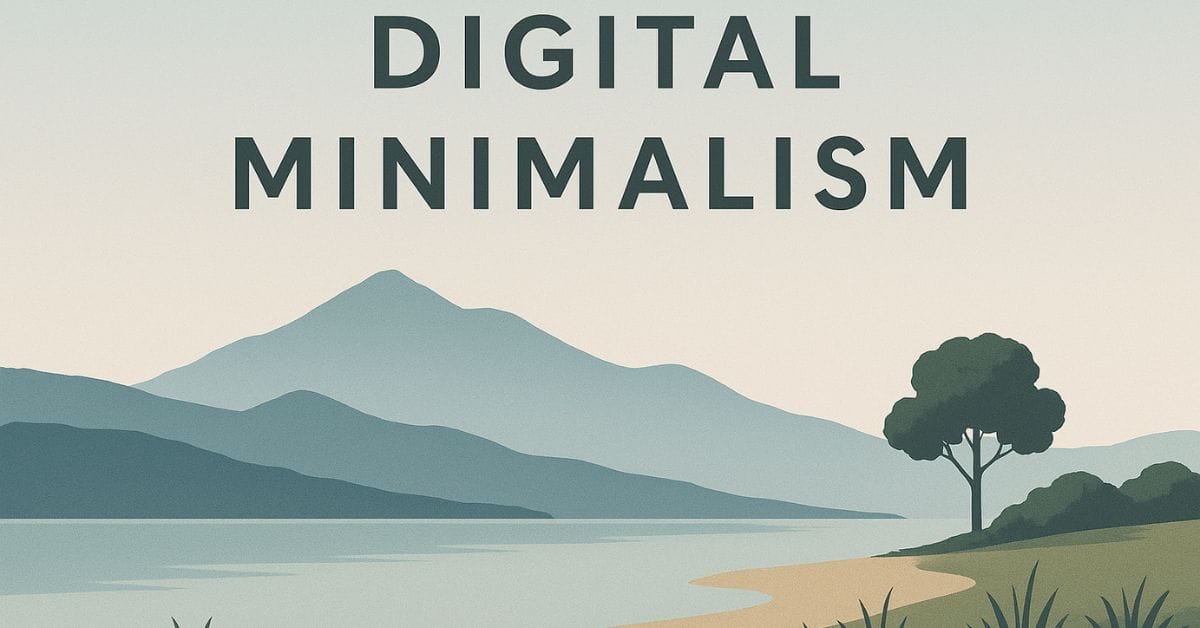
The Noise of the Modern World: Digital Minimalism
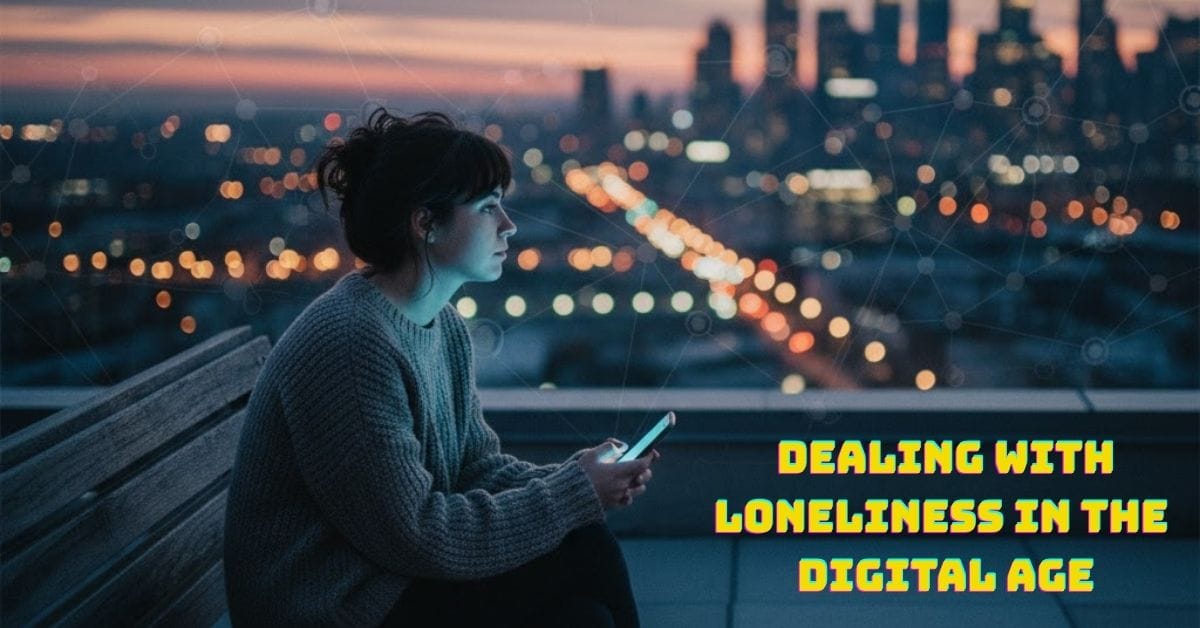
From the moment we wake up, our thumbs start to dance — unlocking phones, scrolling through notifications, replying to messages that can surely wait. The morning sunlight competes with the blue light of our screens. Before we even take a sip of water, our minds are already swimming in the digital tide — emails, alerts, updates, and endless reels.
We live in an age of extraordinary connection, yet, ironically, we feel more distracted, anxious, and restless than ever. Every ping demands attention, every vibration feels urgent, and every minute spent online quietly chips away at our mental stillness.
But what if there was another way to live — not by rejecting technology, but by embracing it more intentionally? That is where digital minimalism steps in, offering a simple yet profound promise: to reclaim peace in a hyperconnected world.
What Is Digital Minimalism?
At its core, digital minimalism is the art of using technology with intention — only for what truly adds value to your life. The term was popularized by author Cal Newport, who described it as a philosophy that helps us separate what’s essential from the digital clutter that steals our attention.
Unlike a digital detox, which focuses on temporary withdrawal from technology, digital minimalism isn’t about abstinence. It’s about mindful technology use. It’s choosing quality over quantity — deciding which digital tools enhance our lives and which ones merely fill our time.
Imagine your digital life as a garden. Some apps are flowers — they bring color, joy, and meaning. Others are weeds — they grow fast, take over, and drain the soil. Practicing digital minimalism means tending this garden carefully, allowing what’s beautiful to thrive while removing what’s unnecessary.
In simple words, it’s not about deleting everything; it’s about choosing wisely and using consciously.

Why We Need Digital Minimalism More Than Ever?
The modern world is drowning in data. According to Statista, the average global screen time has surpassed 7 hours per day, with many young adults spending nearly half of their waking hours online. Social media, streaming platforms, and endless notifications keep our brains in a constant state of stimulation.
While our devices promise convenience and connection, they also quietly steal something precious — our focus. Studies from the American Psychological Association show that constant digital interruptions fragment our attention span, increase anxiety, and reduce productivity.
We’re bombarded with more information in a week than our ancestors absorbed in a lifetime. This information overload creates mental fatigue, emotional numbness, and a subtle disconnection from real life.
It’s not just about productivity — it’s about wellness. The more we scroll, the more we compare, the more we feel inadequate. Sleep suffers, creativity fades, and even our relationships lose depth as screens become barriers between hearts.
That’s why digital minimalism isn’t a luxury anymore; it’s a necessity for emotional balance and digital wellbeing.
Benefits of Practicing Digital Minimalism
When you simplify your digital world, you give your mind the space to breathe. The benefits of digital minimalism extend far beyond reduced screen time — it transforms how you think, feel, and connect.
1. Reduced Stress and Anxiety
When constant notifications stop buzzing, your brain stops living in alert mode. The silence that follows brings peace. A calmer digital environment creates a calmer inner world.
2. Improved Focus and Productivity
By removing distractions, you reclaim your attention — your most valuable resource. You begin to work deeply, think clearly, and achieve more with less effort.
3. Better Sleep and Mental Clarity
Research shows that blue light from screens delays melatonin release, affecting sleep cycles. Cutting screen time before bed improves sleep quality and mental clarity, helping you wake refreshed instead of restless.
4. More Meaningful Relationships
When you’re present with people instead of scrolling beside them, connections deepen. Eye contact, laughter, and shared silence return — those small, human moments that screens can’t replicate.
5. Emotional Balance and Joy
Digital minimalism brings back an underrated feeling — joy in simplicity. You start to find happiness in real-world experiences rather than virtual validation.
Real-world example:/
In 2019, Cal Newport shared the story of a young designer who quit social media for six months. Initially, she feared losing relevance. Instead, she found clarity. She spent more time creating, exercising, and connecting with family. Her creativity soared — not despite disconnection, but because of it.
How to Practice Digital Minimalism in Daily Life
Adopting digital minimalism isn’t about going offline forever; it’s about designing a more conscious digital routine. Here’s how to begin this journey toward a peaceful mind.
1. Audit Your Digital Habits
Start with awareness. Track your daily screen time, check app usage, and identify the digital “junk food” in your life — apps you open mindlessly or notifications that add zero value. Awareness is the first step to transformation.
2. Declutter Your Digital Space
Unfollow accounts that drain your energy, unsubscribe from newsletters you never read, and organize your files. A clutter-free digital space mirrors a clutter-free mind.
3. Schedule Tech-Free Times
Introduce “no-phone mornings” or “tech-free dinners.” Create tech-free zones in your home — like your bedroom or dining table — to encourage real conversations and mindful presence.
4. Choose Mindful Technology Use
Use tools that help you grow, not those that control you. Replace endless scrolling with learning podcasts, journaling apps, or meditation platforms that support digital wellbeing.
5. Replace Digital Consumption with Real-World Connection
Every time you feel the urge to scroll, do something tactile — read a book, cook a meal, or take a walk. Replace digital noise with physical experiences. These moments reconnect you to your senses and your soul.
6. Set Clear Boundaries
Turn off non-essential notifications. Decide specific times to check emails or social media — and stick to them. The less reactive you are to your phone, the more control you reclaim over your time.
7. Practice a Digital Detox Occasionally
Even if digital minimalism is your lifestyle, occasional breaks refresh your mental balance. Spend a weekend offline — it resets your relationship with technology and reminds you of life beyond screens.
In essence, digital minimalism is about designing your digital world so it serves you, not the other way around.
The Future of a Peaceful Mind in a Hyperconnected World
As artificial intelligence, virtual reality, and smart devices evolve, our connection to technology will only deepen. The world will become smarter, faster, and more integrated — but also noisier.
In such an environment, digital balance will become the new luxury. People will crave silence the way they once craved Wi-Fi. Digital wellbeing will no longer be a wellness trend but a global necessity.
Already, we see shifts — mindfulness apps are booming, retreats now offer digital detox programs, and even tech giants are introducing “focus modes” and “screen time” trackers. Humanity is slowly awakening to the truth that peace doesn’t come from more technology, but from using it wisely.
The future belongs to those who can balance both worlds — who can use technology for progress without letting it steal their peace.
Living Light in the Digital Age
At the heart of digital minimalism lies a simple question: What truly matters?
When we strip away digital excess, what remains are the moments that make life beautiful — a deep breath, a face-to-face conversation, the quiet of a morning without notifications.
We don’t have to reject technology to find peace; we just have to redefine our relationship with it. In the silence between notifications, in the pause before a reply, life begins to feel real again.
A peaceful mind is not a luxury in the digital era — it’s our most urgent need.
So, choose intentionally. Scroll less, live more. The future of your peaceful mind begins today. 🌿
Final Thought: The Quiet Revolution Within
In the end, digital minimalism is not a rebellion against technology — it’s a return to ourselves. It’s about taking a deep breath in a world that never stops refreshing. It’s about choosing presence over pings, silence over scrolls, and connection over consumption.
We can’t escape the digital era — nor should we. But we can learn to live lightly within it. By practicing mindful technology use, we rediscover the beauty of boredom, the depth of conversation, and the calm of an uncluttered mind.
As we step into the future, peace will not be found in faster Wi-Fi or smarter phones, but in quieter moments — the ones that remind us we are human, not just users.
So, put down your phone for a while. Look up. Listen. The world — the real one — is waiting to be noticed again. 🌱
Digital Minimalism: Frequently Asked Questions (FAQs)
1. What is digital minimalism in simple terms?
Digital minimalism means using technology with intention. It’s about focusing on digital tools that truly add value to your life while letting go of the rest. Instead of being ruled by screens, you choose how and when to use them — consciously and calmly.
2. How is digital minimalism different from a digital detox?
A digital detox is a temporary break from technology — like a short pause to reset your mind. Digital minimalism, on the other hand, is a long-term lifestyle change. It’s not about quitting tech but learning to use it mindfully every day.
3. What are the main benefits of digital minimalism?
The benefits of digital minimalism include better focus, less stress, improved sleep, stronger relationships, and higher productivity. It helps reduce screen time and encourages you to spend your energy on things that bring real joy and purpose.
4. How can I start practicing digital minimalism?
Begin with small steps. Track your screen time, turn off non-essential notifications, unfollow unhelpful accounts, and schedule “no-phone” times during your day. Replace aimless scrolling with hobbies, reading, or outdoor walks. Gradually, your habits — and your peace — will transform.
5. Can digital minimalism improve mental health?
Absolutely. By limiting constant digital noise, you reduce anxiety and mental fatigue. It allows your mind to rest, focus, and reconnect with the present. This practice strengthens your emotional balance and enhances digital wellbeing in the long run.6. Is digital minimalism realistic in today’s world?
6. Is digital minimalism realistic in today’s world?
Yes — perhaps now more than ever. The goal isn’t to abandon technology but to master it. Even in a hyperconnected world, you can design your digital life thoughtfully — using tech for growth, not distraction. Balance, not isolation, is the true essence of digital minimalism.