
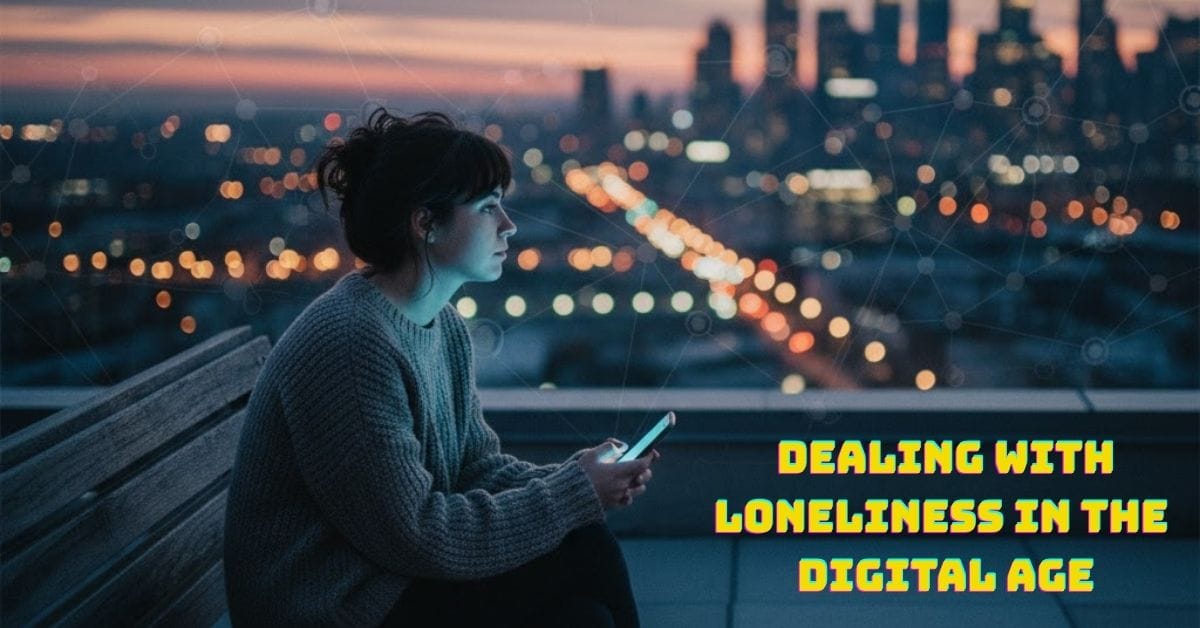
We live in an era of unprecedented connectivity. With just a few taps on a screen, we can connect with friends and family across continents, share our lives in an instant, and access a seemingly endless stream of information and entertainment. Yet, despite this hyper-connected world, a paradox emerges: loneliness is on the rise. It’s a silent epidemic, often hidden behind perfectly curated online personas, and it affects people from all walks of life.
The digital age, while offering incredible opportunities for connection, has also inadvertently created new avenues for isolation. We might have hundreds, even thousands, of “friends” online, but how many of those relationships truly offer the deep, meaningful connection our human spirit craves? This blog post explores the complex relationship between technology and loneliness and offers practical, human-centered strategies to navigate this modern challenge.
The Double-Edged Sword of Digital Connection
On the one hand, social media platforms, messaging apps, and online communities have bridged geographical gaps, allowing us to maintain relationships that might otherwise fade. They offer support groups for niche interests, provide platforms for activism, and keep us informed about the lives of loved ones. For individuals with social anxieties or mobility issues, digital spaces can be a lifeline, offering a low-pressure way to interact.
However, the very tools designed to connect us can also contribute to feelings of loneliness.
- The Illusion of Connection: Scrolling through endless feeds can give us the impression of being connected, but often it’s a passive consumption of others’ lives rather than an active engagement. We see highlight reels, not the messy realities, fostering a sense of inadequacy and comparison.
- Fear of Missing Out (FOMO): The constant stream of others’ experiences can fuel FOMO, making us feel like our own lives are less exciting or fulfilling. This can lead to self-isolation, as we withdraw from social situations rather than face perceived shortcomings.
- Shallow Interactions: Digital interactions, while frequent, often lack the depth of face-to-face communication. Emojis and short texts can’t fully convey the nuances of tone, body language, and shared physical presence that are crucial for genuine intimacy.
- Comparison Culture: Social media often presents an idealized version of reality. Everyone seems to be on vacation, achieving success, or having the perfect family life. This constant comparison can chip away at self-esteem and exacerbate feelings of isolation, making us feel like we don’t measure up.
- The Performance Trap: We often feel pressured to present a perfect version of ourselves online, creating a persona that can be exhausting to maintain. This can make genuine self-expression difficult and prevent us from seeking help when we truly need it, for fear of breaking the illusion.
Recognizing the Signs of Loneliness
Loneliness isn’t just about being alone; it’s about feeling alone, even when surrounded by others. It’s a subjective experience, and its signs can manifest in various ways:
- Persistent feelings of sadness or emptiness.
- A lack of meaningful social connections or close friendships.
- Difficulty initiating or maintaining social interactions.
- Increased time spent alone, often avoiding social events.
- Negative self-talk and a sense of being unworthy of connection.
- Sleep disturbances or changes in appetite.
- A general feeling of disconnection from others, even in a crowd.
It’s important to remember that experiencing these feelings is not a sign of weakness. It’s a universal human emotion, and acknowledging it is the first step towards addressing it.
Strategies for Cultivating Genuine Connection in the Digital Age
Navigating loneliness in our hyper-connected world requires intentional effort. Here are some strategies to foster genuine connection and well-being:
- Prioritize Quality over Quantity: Instead of accumulating hundreds of superficial online connections, focus on nurturing a few deep, meaningful relationships. Invest time and energy in people who truly matter and who reciprocate your efforts. This might mean scheduling regular video calls with a distant friend or making an effort to meet up with local acquaintances.
- Practice Digital Detoxes: Regularly disconnect from your devices. Set specific times each day or week to go “offline.” Use this time to engage in hobbies, spend time in nature, read a physical book, or simply be present with your thoughts. This break can reduce comparison fatigue and help you rediscover real-world experiences.
- Embrace Face-to-Face Interaction: There’s no substitute for in-person connection. Make an effort to meet friends for coffee, join local clubs or groups that align with your interests, volunteer in your community, or simply strike up conversations with people in your daily life. Eye contact, shared laughter, and physical presence build a unique bond.
- Be Present in Conversations: When you are interacting with someone, whether online or offline, give them your full attention. Put your phone away, listen actively, and engage in genuine dialogue. This shows respect and fosters deeper connection. Ask open-ended questions and truly listen to the answers.
- Cultivate Self-Compassion: Be kind to yourself. Understand that loneliness is a common human experience. Instead of blaming yourself, acknowledge your feelings and treat yourself with the same care and understanding you would offer a friend. Practice mindfulness and self-care activities that bring you joy.
- Find Your Tribe (Online and Offline): While prioritizing offline connections is crucial, online communities can still be valuable. Seek out groups that align with your passions and values, but strive for active participation and deeper engagement rather than just passive scrolling. If possible, consider meeting up with online friends in person once you’ve established trust.
- Offer Help to Others: Engaging in acts of kindness and helping others can be a powerful antidote to loneliness. It shifts your focus outward, provides a sense of purpose, and can create opportunities for genuine connection. Volunteer, offer support to a friend, or simply lend a listening ear.
- Learn a New Skill or Join a Class: Enrolling in a class (e.g., cooking, painting, a new language) or joining a local sports team or book club provides a natural environment for meeting new people who share similar interests. The shared learning experience can be a great foundation for friendship.
- Set Boundaries with Technology: Don’t let your phone dictate your social life. Establish clear boundaries around screen time, notifications, and when you’ll respond to messages. This gives you more control and prevents technology from overwhelming your real-world interactions.
- Seek Professional Support: If feelings of loneliness are persistent, overwhelming, and impacting your daily life, don’t hesitate to reach out to a mental health professional. A therapist or counselor can provide tools and strategies to understand and manage these emotions effectively.
The Human Touch in a Digital World
The digital age isn’t inherently good or bad for loneliness; it’s how we choose to navigate it that makes the difference. We have the power to harness technology for genuine connection, while also prioritizing the irreplaceable value of human touch, eye contact, and shared physical space.
Ultimately, dealing with loneliness in the digital age is about intentionality. It’s about consciously choosing meaningful interactions over superficial ones, prioritizing real-world experiences, and fostering a deep sense of self-worth that isn’t dependent on online validation. By doing so, we can build a life rich with authentic connection, even in our hyper-connected world.
FAQs
Q1: Is it normal to feel lonely even when I have a lot of online friends?
A1: Yes, absolutely. The number of online connections doesn’t always translate to deep, meaningful relationships. It’s common to feel lonely if these interactions lack genuine emotional depth and face-to-face connection.
Q2: How much screen time is too much if I’m trying to combat loneliness?
A2: There’s no one-size-fits-all answer, but if your screen time is consistently replacing real-world interactions, making you feel more isolated, or causing you to compare yourself negatively to others, it’s likely too much. Try setting personal limits and scheduling regular digital detoxes.
Q3: I’m an introvert. How can I make new friends in person without feeling overwhelmed?
A3: Start small! Join a group or club related to a hobby you genuinely enjoy; this provides a built-in common interest. Focus on quality over quantity, aiming to make one or two genuine connections. Remember, even short, polite interactions can build confidence over time.
Q4: Can online therapy help with loneliness?
A4: Yes, online therapy can be a very effective tool. A therapist can help you explore the root causes of your loneliness, develop coping strategies, improve social skills, and guide you towards building more fulfilling connections.
Q5: What are some practical steps I can take today to feel less lonely? A5:
- Reach out to one friend or family member for a phone call or coffee.
- Take a walk in a public park and observe your surroundings without your phone.
- Join a local interest group or volunteer opportunity.
- Engage in a self-care activity that brings you joy.
- Reflect on what genuine connection means to you.